Need formwork engineering support for your next project? Talk to an Engineer

Doka Formwork Systems — Engineered for the Structures That Shape Our World

From high-rise cores to bridge piers, Doka formwork and shoring solutions bring measurable speed, safety, and precision to concrete construction. Backed by field-tested engineering across 70+ countries and thousands of completed projects.
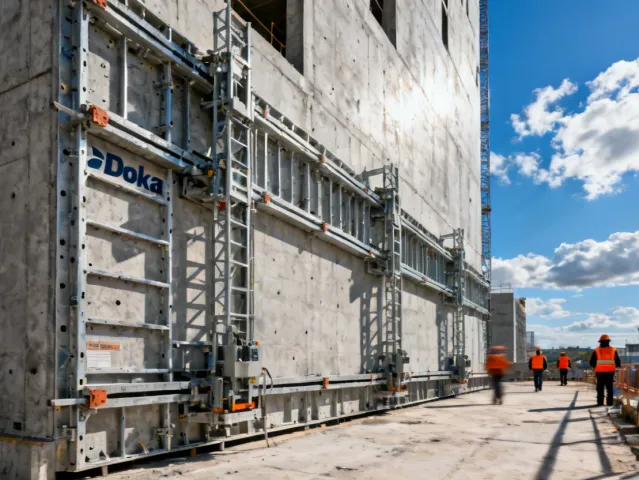
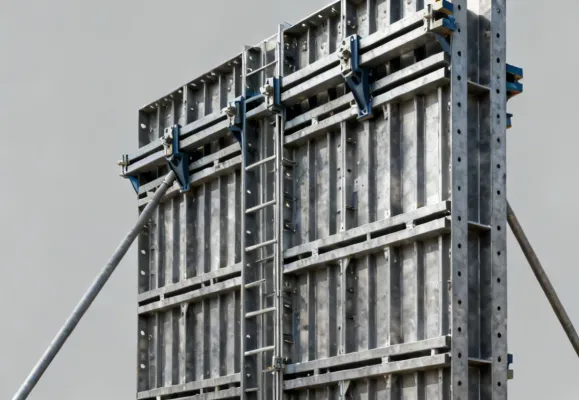
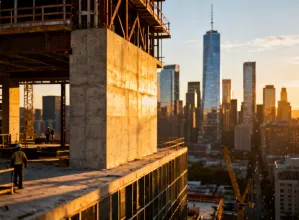
Doka formwork system deployed on a high-rise construction site

Formwork & Shoring Product Lines

Every system is designed around a single goal: get the contractor from pour-to-strip faster, safer, and with fewer labor hours on site.

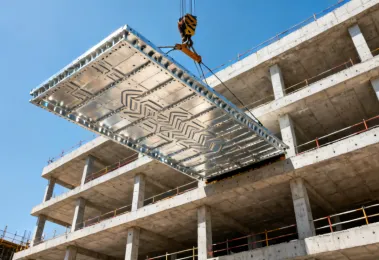
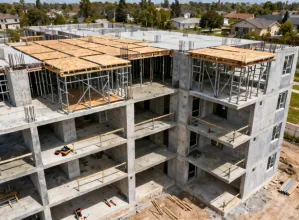
Doka slab formwork table for multi-story construction

Slab Formwork

Panelized slab tables and drop-head systems covering clear spans up to 6.0 m without mid-span props. Designed for quick cycling on repetitive floor plans.

Explore Slab Systems →
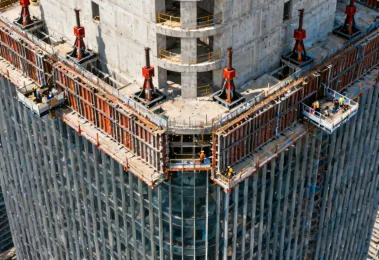
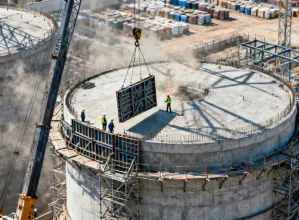
Doka climbing system on a skyscraper core wall

Climbing Systems

Hydraulic self-climbing platforms advance vertically in as little as 45 minutes per lift without crane assistance, maintaining cycle times on core walls above 200 m.

Explore Climbing Systems →
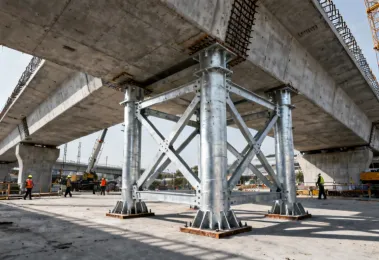
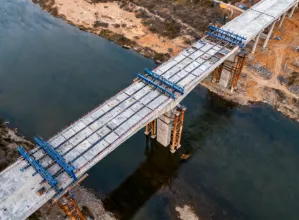
Doka shoring tower supporting bridge deck formwork

Shoring & Load-Bearing Towers

Modular tower frames rated up to 70 kN per leg, stackable to heights beyond 20 m. Pin-connected joints eliminate loose hardware on the deck.

Explore Shoring Solutions →
70+
Countries Served
60+
Years in Formwork
160+
Sales & Logistics Branches
99.2%
On-Time Delivery Rate

Industries We Serve

Doka formwork has been specified on projects ranging from single-family foundations to 600-meter supertall towers. Each sector presents unique load, cycle, and access requirements that our engineering team addresses before the first panel reaches site.

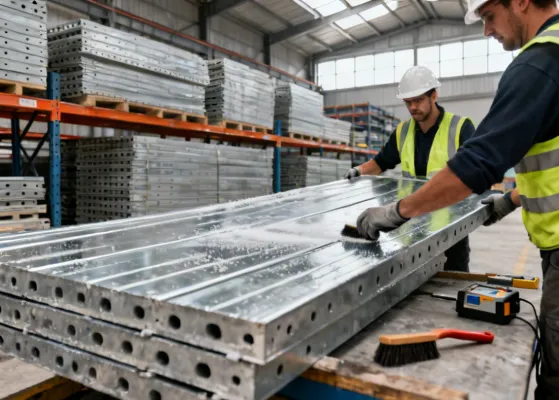
Doka formwork panels prepared for reuse at a service depot

Reuse-First Engineering

Every Doka panel is designed for a documented service life exceeding 500 pour cycles. Our depot network inspects, repairs, and recertifies components between projects, keeping steel out of scrap yards and reducing the embodied carbon of each subsequent pour.

  • 500+ certified reuse cycles per steel frame panel
  • Depot reconditioning program across 160+ locations worldwide
  • ISO 14001-certified environmental management at manufacturing facilities
  • Timber beams sourced from PEFC/FSC-certified managed forests
Learn About Our Approach

What Contractors Say

Field feedback from project teams that have worked with Doka formwork on commercial and infrastructure sites.

★★★★★

“We shaved two days off every floor cycle once the climbing platform was operational. The hydraulic system moved the forms without tying up our tower crane, which was the real schedule win.”

KR
Karl Reinhart
Senior Project Manager, Reinhart Bau GmbH
★★★★★

“The pre-assembly drawings from Doka's engineering team matched our rebar layout exactly. We had almost zero rework at the wall-to-slab intersections, which is rare on a 40-story residential tower.”

SM
Susan Markovic
Director of Operations, Meridian Construction Ltd
★★★★☆

“Doka shipped the shoring towers to our bridge project in northern Canada during a three-week winter window. Logistics were tight, but every component arrived labeled and documented. Setup went according to plan.”

JT
James Thibault
Site Superintendent, Northern Infrastructure Partners

Frequently Asked Questions

Answers to questions our engineering and sales teams hear most often during project planning.

Standard steel-frame wall panels are rated for fresh concrete pressures up to 80 kN/m². For higher pours or accelerated placement rates, our engineers can specify reinforced tie arrangements and narrower panel widths to keep deflection within allowable tolerances per EN 13670. Every project receives a site-specific pressure calculation as part of the engineering package.

Yes. Approximately 70% of Doka formwork deployed globally is rented rather than purchased. Rental includes depot inspection, cleaning, and minor repairs between deployments. Purchase makes economic sense for contractors who pour identical geometries repeatedly—such as precast yards or large housing developers—and our team can model the break-even point for your specific volume.

Typical lead times range from 2 to 6 weeks depending on the complexity of the forming plan and the availability of inventory at the nearest depot. Standard panels are usually dispatched within 5 business days from regional stock. Custom-fabricated elements—such as radius-formed panels or column forms—may require 4 to 8 weeks of fabrication. We recommend engaging our engineering team at least 8 weeks before first pour to allow adequate time for drawing approvals.

Doka field supervisors are available for assembly supervision during the first erection cycle. We also run half-day toolbox sessions covering safe assembly sequences, lifting procedures, and stripping protocols. For large projects, our team can embed a formwork coordinator full-time during the structural phase. These services are typically scoped and quoted during the proposal stage.

There is no universal answer — each material suits different project profiles. Steel-frame panels (Doka's primary range) handle higher concrete pressures (up to 80 kN/m²), offer longer service life (500+ cycles), and resist jobsite damage better, making them the standard choice for high-rise cores, infrastructure, and heavy industrial pours. Aluminum panels weigh roughly 40–50% less, which can reduce crane demand and labor fatigue on low-to-mid-rise residential projects where concrete pressures stay below 40–50 kN/m². The trade-off is a shorter service life (typically 200–300 cycles) and lower damage tolerance. Many contractors use both: aluminum for repetitive slab decks and steel for walls and heavy-load applications. We help project teams evaluate the weight-vs-durability trade-off during the proposal stage.

Yes. For very small pours — single footings, short retaining walls under 3 m, or one-off architectural elements with complex non-repeating geometry — site-built timber formwork is often more economical because the engineering, transport, and mobilization costs of a panelized system can exceed the labor savings. Similarly, projects in extremely remote locations may face logistical constraints that make local timber framing the practical choice. Engineered systems deliver their strongest return on projects with repetitive geometry (multiple floors, identical wall segments) or high concrete pressures that would require over-sized timber sections. As a rule of thumb, if a project involves fewer than 50 m² of contact area or no repetition, a cost comparison with conventional methods is warranted before committing to panelized formwork.

Start Your Formwork Consultation

Share your project parameters and our engineering team will prepare a forming concept, preliminary panel layout, and budgetary estimate at no cost.

  • Site-specific formwork engineering drawings
  • Cycle-time analysis and labor projections
  • Rental vs. purchase cost comparison
  • Logistics planning and delivery scheduling

Request a Consultation